11th and 17th Circuit AI Mandates: Miami and Broward
The conversation around Artificial Intelligence in the legal profession has shifted dramatically in the last twelve months. We are no longer debating whether AI will impact the practice of law; we are actively navigating the ethical and procedural minefield of its implementation.
Yasmin Morshedian
Founder & CEO, YM Legal Services
The conversation around Artificial Intelligence in the legal profession has shifted dramatically in the last twelve months. We are no longer debating whether AI will impact the practice of law; we are actively navigating the ethical and procedural minefield of its implementation.
Key Takeaways
- Administrative Order No. 26-04 (Miami-Dade, 11th Circuit) and Administrative Order 2026-03-Gen (Broward, 17th Circuit) require attorneys to certify that all AI-generated citations, legal arguments, and factual assertions have been reviewed and verified before filing.
- Penalties for non-compliance include stricken pleadings, monetary sanctions, contempt, and Florida Bar referral.
- The Florida Bar's Advisory Opinion 24-1 confirms that the duty of competence (Rule 4-1.1) and candor toward the tribunal (Rule 4-3.3) apply fully to AI-assisted work.
- Using consumer-grade AI tools for client documents risks violating confidentiality obligations under Rule 4-1.6.
Nowhere is this more apparent than in South Florida. If you are filing pleadings, motions, or any legal documents in Miami-Dade or Broward counties, the rules of engagement have fundamentally changed.
As the founder of YM Legal Services, I spend a significant amount of time monitoring how technology intersects with the official record. What we are seeing right now is a rapid, aggressive regulatory response from the courts to ensure that the efficiency of AI doesn't compromise the integrity of the judicial system.
If your firm is using generative AI tools—even simply to draft a preliminary memo or summarize a case file—you need to be intimately familiar with two specific administrative orders: Administrative Order No. 26-04 from the 11th Judicial Circuit (Miami-Dade) and Administrative Order 2026-03-Gen from the 17th Judicial Circuit (Broward).
Here is what these mandates actually require, and how you can ensure your firm remains compliant and avoids the severe sanctions currently being levied against attorneys who ignore them.
What the AI Filing Mandates Require
The core principle behind both orders is transparency and verification. The courts are not banning the use of generative AI. They are, however, explicitly demanding that attorneys take absolute, personal responsibility for the accuracy of any AI-generated content submitted to the court.
Administrative Order No. 26-04 in Miami-Dade and 2026-03-Gen in Broward both require a formal certification. When you file a document that relied on generative AI for legal research or drafting, you must affirmatively state that you have reviewed and verified all citations, legal arguments, and factual assertions. You cannot simply copy and paste an AI output and assume it is correct.
This requirement is a direct response to the highly publicized cases of "AI hallucinations," where attorneys submitted briefs citing non-existent case law fabricated entirely by a large language model. The courts in South Florida have made it abundantly clear: claiming ignorance of how the technology works is not a defense. If you sign the pleading, you own the hallucination.
Citation Capsule: The Florida Bar's Advisory Opinion 24-1 confirms that the existing duties of competence (Rule 4-1.1), diligence, and candor toward the tribunal (Rule 4-3.3) apply with full force to AI-assisted legal work—there is no special exemption for technology-generated errors (Florida Bar Advisory Opinion 24-1 — Lawyers' Use of Generative AI).
Penalties for Non-Compliance
The penalties for non-compliance are severe. Both circuits have authorized judges to strike pleadings, impose monetary sanctions, initiate contempt proceedings, and refer attorneys to The Florida Bar for disciplinary action. The Florida Bar itself, through Advisory Opinion 24-1, has reinforced this stance, emphasizing that the duty of competence (Rule 4-1.1) and the duty of candor toward the tribunal (Rule 4-3.3) apply equally to AI-assisted work.
Citation Capsule: Florida Rule of Professional Conduct 4-1.1 requires competence in the "methods and procedures" relevant to a lawyer's representation—a standard the Florida Bar now interprets to include understanding the capabilities and limitations of any AI tool used in connection with client work (Florida Rules of Professional Conduct — Rule 4-1.1 (Competence)).
How YM Legal Handles AI Summaries Compliantly
This is where the intersection of AI and court reporting becomes critical. At YM Legal Services, we are at the forefront of integrating AI into our workflow, specifically with our AI Transcript Summaries. However, we understand that our clients cannot afford to submit a summary to the court or opposing counsel that contains a hallucinated admission or an incorrect page-line citation.
When we utilize AI to generate a deposition summary, we do not rely solely on the algorithm. Our process involves a rigorous "human-in-the-loop" verification system. Every summary is cross-referenced against the certified transcript by our production team, led by Jay Jayson. We ensure that every key highlight, every admission, and every page-line reference is absolutely accurate and directly supported by the verbatim record.
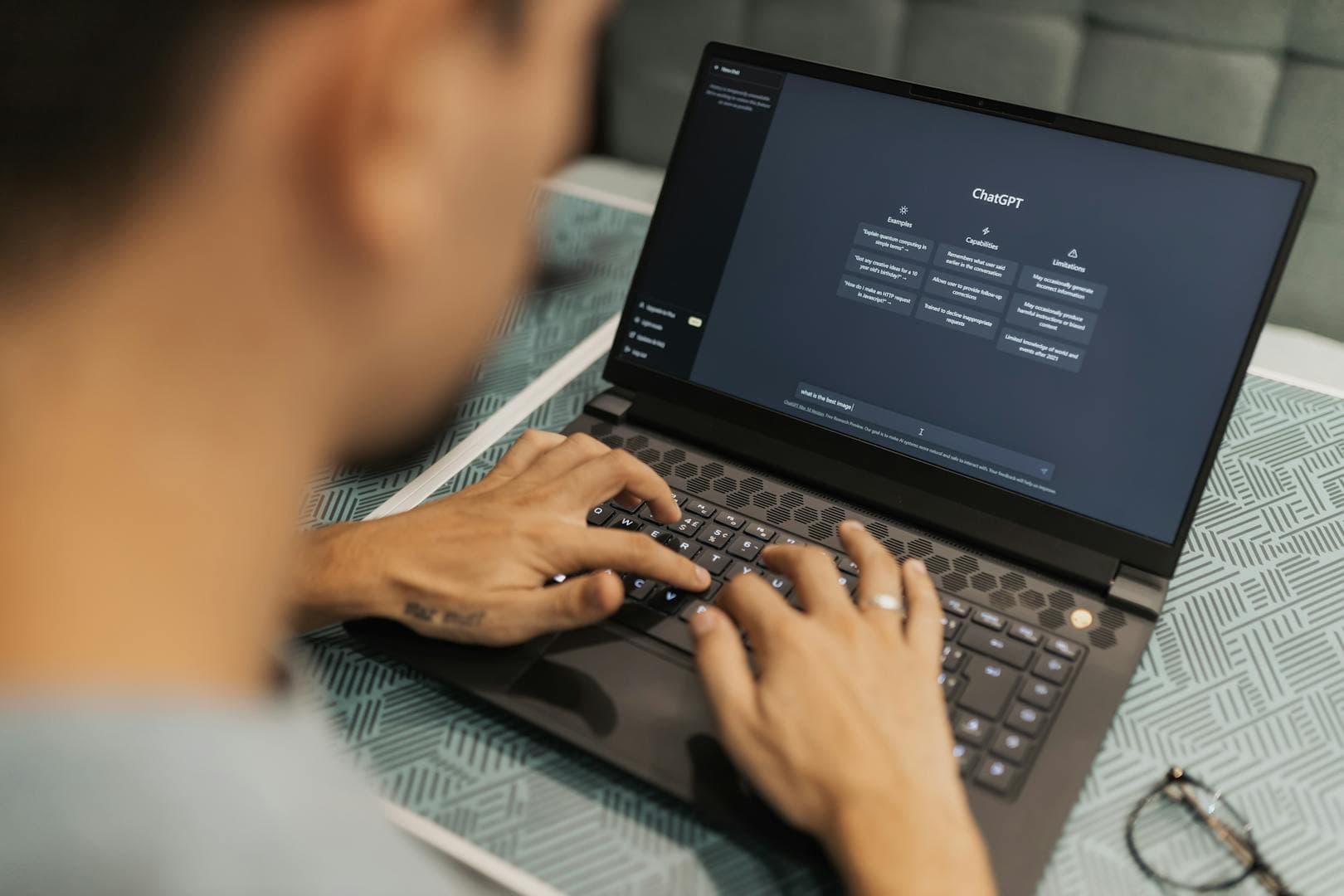
Furthermore, we address the critical issue of client confidentiality (Rule 4-1.6). When you upload a sensitive deposition transcript to a public, consumer-grade AI tool like ChatGPT, you are potentially exposing client data to the model's training algorithms. This is a massive ethical violation. YM Legal Services utilizes secure, enterprise-grade AI infrastructure with zero data retention policies. Your transcripts are processed securely and are never used to train external models.
The AI mandates in the 11th and 17th Circuits are not hurdles to be avoided; they are necessary guardrails for the future of litigation. By partnering with a litigation support agency that understands these ethical obligations and prioritizes human verification, you can leverage the power of AI without risking your license or your client's case.
For a deeper look at how AI deposition summaries work in practice, read our guide on how AI is transforming deposition transcript summaries and our analysis of AI deposition summary accuracy. Ready to try verified AI summaries? Contact us or schedule a deposition.
Frequently Asked Questions
Does Florida require disclosure of AI use in court filings?
Yes. Both the 11th Judicial Circuit (Miami-Dade) and 17th Judicial Circuit (Broward) require attorneys to certify that they have reviewed and verified all citations, legal arguments, and factual assertions in any court filing that relied on generative AI. The Florida Bar's Advisory Opinion 24-1 reinforces this obligation statewide.
What are the penalties for not disclosing AI use in Miami-Dade or Broward filings?
Judges in both circuits may strike the pleading, impose monetary sanctions, initiate contempt proceedings, and refer the attorney to The Florida Bar for disciplinary action. The penalties apply regardless of whether the attorney knew the AI-generated content was inaccurate.
Do Florida AI filing rules apply to deposition summaries?
Deposition summaries themselves are typically work product, not court filings. However, if you rely on an AI-generated summary to draft a motion, brief, or any document submitted to the court, the certification requirement applies to that filing. Using a verified AI summary service with human-in-the-loop review reduces this risk.
Can I use ChatGPT or other consumer AI tools for client work in Florida?
Using consumer-grade AI tools raises serious confidentiality concerns under Rule 4-1.6. When you upload a deposition transcript or case file to a public AI platform, that data may be used to train the model. Enterprise-grade AI tools with zero data retention policies are the safer choice for client-sensitive legal work.